
 o000418
I remember my early days of fishing: I had the “best” rod money could buy, a spool of high-strength braid, and a hook I found at the bottom of my tackle box. I spent the entire morning getting bites, only to have the fish spit the bait or snap my line the moment I swung the rod. I blamed the fish, I blamed the weather, and I blamed my luck.
The reality? I was sabotaging myself. My gear was fighting against itself.
Fishing isn’t just about having individual pieces of high-end equipment; it’s about building a balanced system. When your rod, line, and hook harmonize, a subtle nibble becomes a hookset you can feel in your bones. Here is how I learned to stop losing fish and start landing them consistently.
1. The Rod: Your System’s Shock Absorber
Think of your rod as the middleman between the fish’s raw power and your line. If it’s too stiff, it’s a crowbar—you’ll tear the hook out. If it’s too soft, it’s a wet noodle—you’ll never drive the point home.
- Heavy Power / Fast Action: My go-to for heavy cover. These don’t bend easily, which gives you the leverage to haul a bass out of the weeds before it knows what happened.
- Medium Power / Moderate Action: The “do-it-all” workhorse. If you’re throwing crankbaits, this moderate bend acts as a shock absorber, keeping those treble hooks buried during the fight.
- Light Power / Slow Action: Essential for finesse fishing. The deep, parabolic bend prevents your line from snapping when a panfish makes a sudden, frantic run.
Expert Checklist: Never pair a heavy-duty “broomstick” rod with ultra-light line. You will snap that line on the very first hookset, every single time.
2. The Line: Your Direct Connection
The line is the only thing physically touching the fish. If your line choice doesn’t match your rod’s action, you’re losing efficiency.
- Monofilament (Mono): It stretches. That “give” is a beginner’s best friend. Use this when you’re still learning how hard to set the hook.
- Fluorocarbon (Fluoro): It’s nearly invisible and sinks fast. I use this exclusively for clear water or when I need my bait to stay deep on the bottom.
- Braid: Zero stretch, high sensitivity. It’s a game-changer for long-distance casting, but because it has no “give,” you must use a more forgiving rod action or a fluorocarbon leader. Otherwise, you’re just pulling the hook right out of the fish’s mouth.
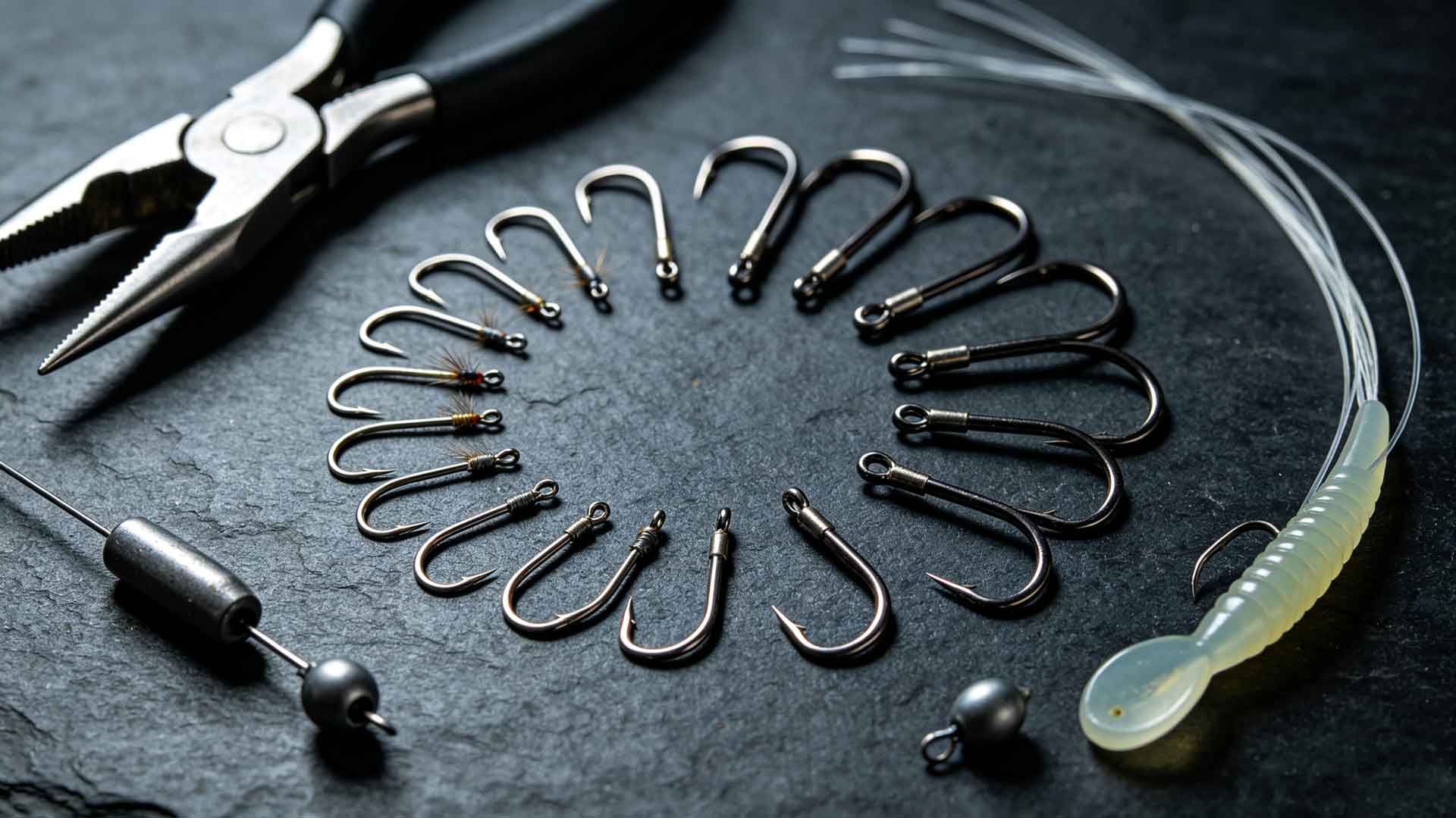
3. The Hook: The Final Link
You can have the perfect rod, but a mismatched hook makes you fail at the finish line.
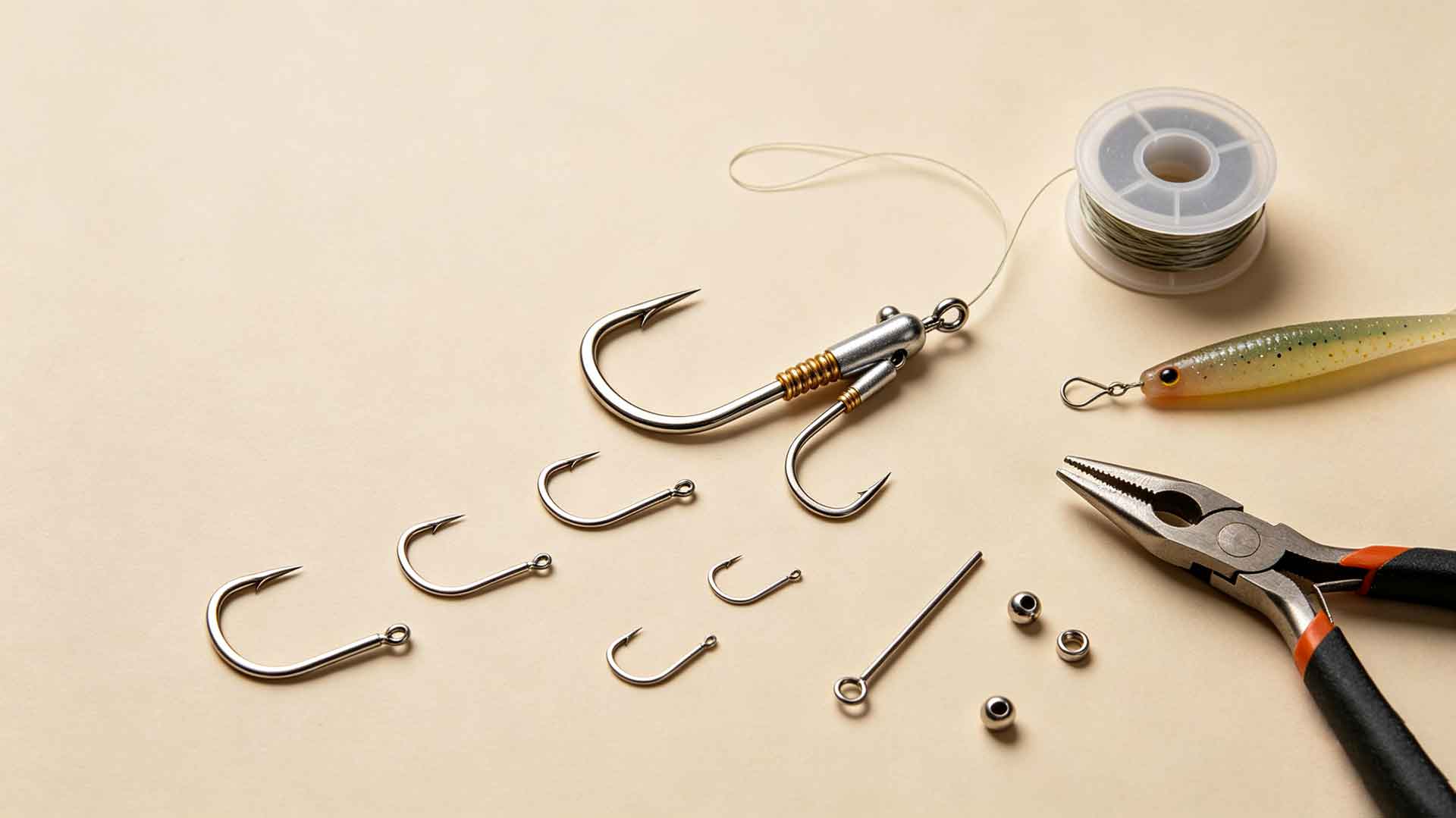
- Thick-Wire Hooks: These are meant for brute force—braided lines and stiff rods. If you use a fine-wire hook with a 50lb braid setup, you will literally bend the hook into a straight wire the moment you set the hook.
- Fine-Wire Hooks: Designed for stealth. These penetrate with minimal pressure. They are my choice for finesse tactics, but be warned: they are not built for a heavy-handed fight.
The “Golden Rule” of Balanced Tackle
If you are targeting monsters in the thick stuff, your system needs to be a chain: Heavy Rod + Heavy Braid + Thick Wire Hook.
If you are chasing spooky fish in clear water, switch to Medium-Light Rod + Light Fluorocarbon + Fine-Wire Hook.
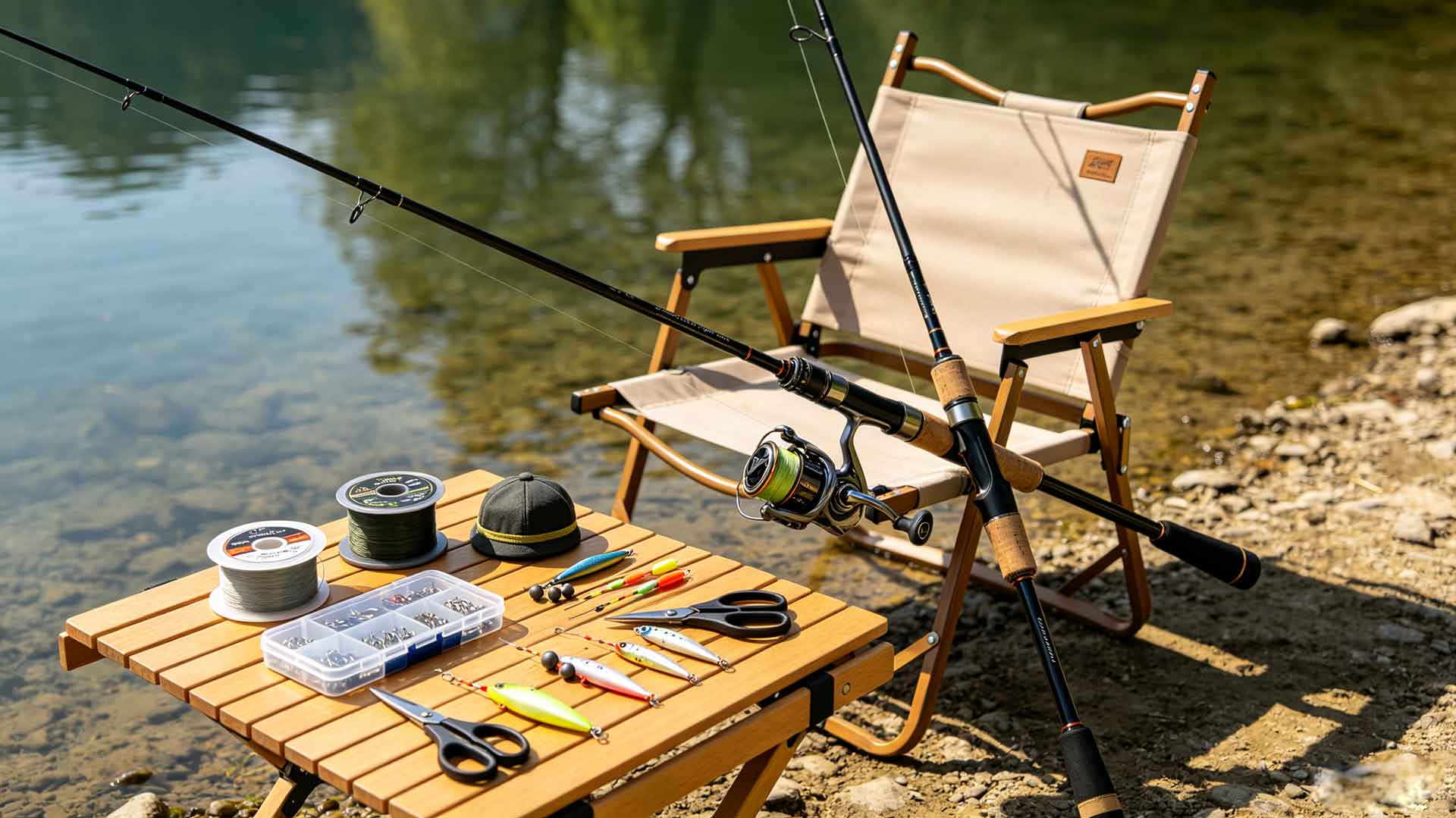
It sounds simple, but most anglers get this wrong because they mix and match based on what’s on sale. Before you head out, lay your gear on the deck. Do these pieces complement each other, or are they fighting? If you’re ready to master this system and stop the “lost fish” heartbreak, take a look at my Ultimate Beginner Fishing Setup Guide to get the full blueprint.
Fishing in a nutshell
by u/MarioWollbrink in bassfishing