
 o000418
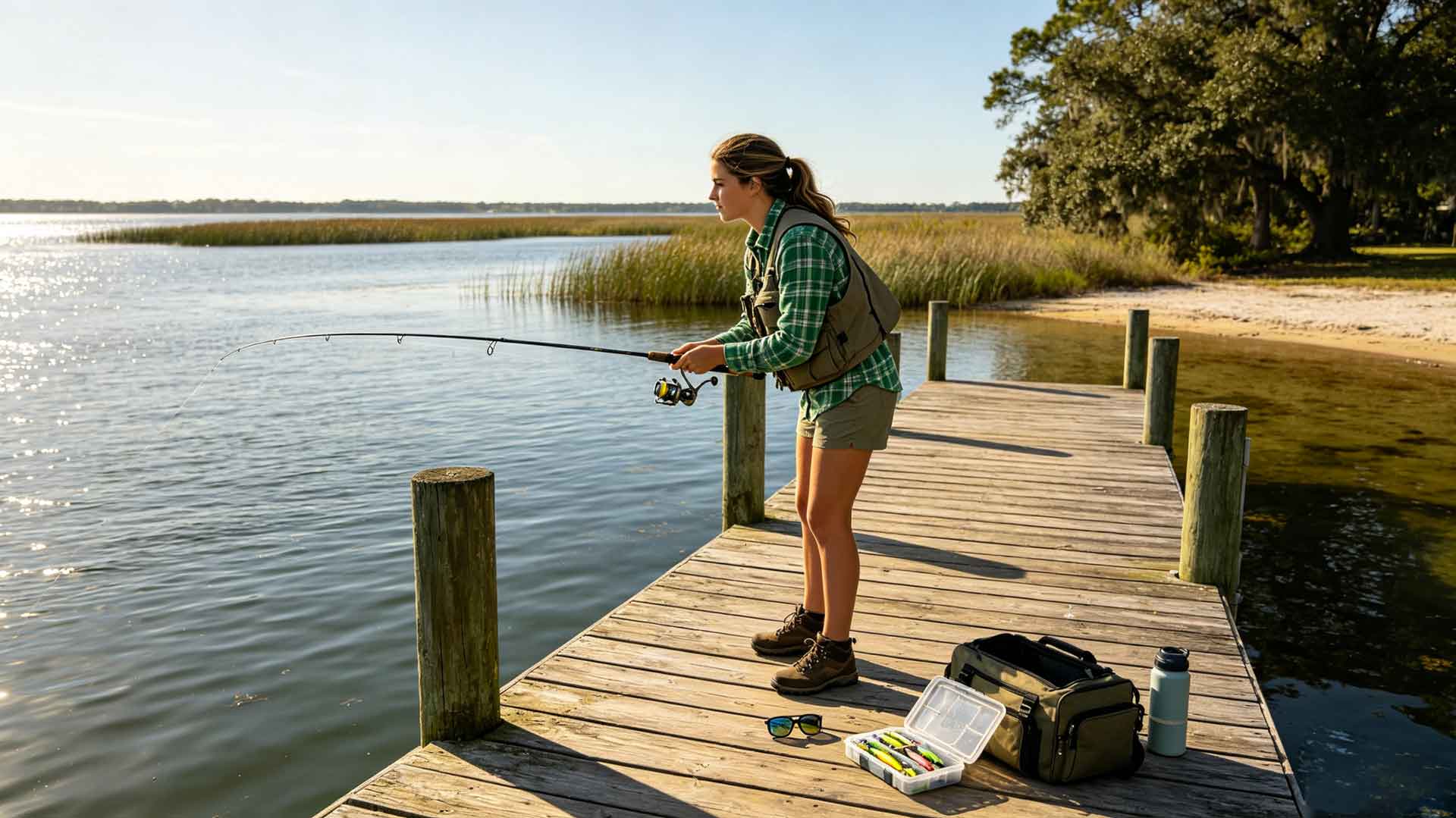
Every angler remembers the moment it clicked. Not the first fish they caught, but the first time they felt everything work together—the rod loading smoothly, the line cutting cleanly, the hook setting with almost no effort. That’s not luck. That’s balance.
Too many beginners treat rods, lines, and hooks as separate, disconnected decisions. They pick a rod off the rack, grab whatever line is on sale, and wonder why they feel nothing when a bass nibbles. Here’s the truth: your entire setup is a single system. This guide walks you through building a matched combination without the guesswork. If you are just starting your journey, be sure to check out our Beginner Fishing: Mastering Your First Trip for a broader overview of the sport.
1. Start with Your Target, Not Your Tackle
Before you touch a rod, answer three questions:
- What species? (Bass, trout, redfish, tuna?)
- Where? (Open water, heavy cover, deep drop-offs?)
- How do they feed? (Aggressive strikers vs. subtle nibblers.)
The fish’s size matters less than its environment and behavior. A 10-pound bass in heavy lily pads requires a much stouter setup than a 10-pound striper in open surf.
2. The Rod: Leverage, Material, and Feel
Your rod does three jobs: Casts your bait, Transmits bites, and Absorbs runs.
Material Matters: Carbon Fiber vs. Fiberglass
- Carbon Fiber (Graphite): The industry standard for performance. It is lightweight, incredibly sensitive, and stiff. Ideal for feeling subtle bites in finesse fishing. Brands like Shimano or Daiwa dominate this space for high-end feel.
- Fiberglass: Heavier and less sensitive, but much more durable and flexible. These are excellent for cranking, where you don’t want the rod to be too stiff, or for beginners who are harder on gear.
- Composite: A blend of both, offering a “best of both worlds” balance for all-purpose rods.
Matching Power and Action
| Rod Power | Best For | Typical Lure Weight |
| Ultra-Light | Panfish, trout | 1/32 – 1/8 oz |
| Medium | General bass, redfish | 1/4 – 5/8 oz |
| Heavy | Catfish, muskie, tuna | 1 oz and up |
Action (how much the rod bends) is critical:
- Fast Action (bends at the tip): Essential for sensitivity and fast hooksets with soft plastics (see our guide on The Invisible Edge: Why You Need a Fluorocarbon Leader).
- Moderate Action (bends through the middle): Perfect for crankbaits and treble hooks to prevent tearing the hook out of the fish’s mouth.
3. The Line and Hook: The System
Line rating (pound test) is not a universal number. Braid is thinner than mono and behaves differently. Always check the rod blank’s recommended line rating—this is not optional.
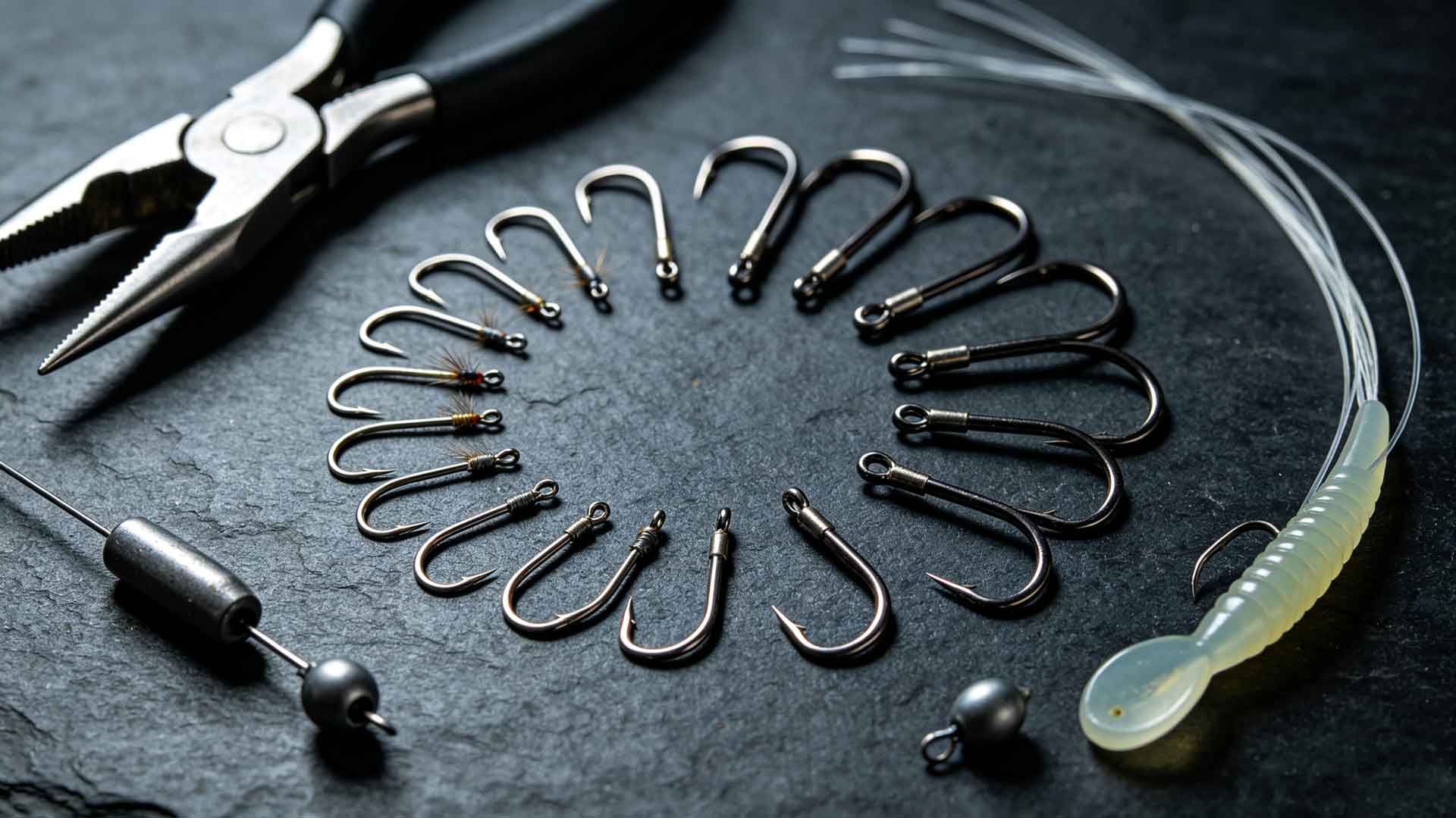
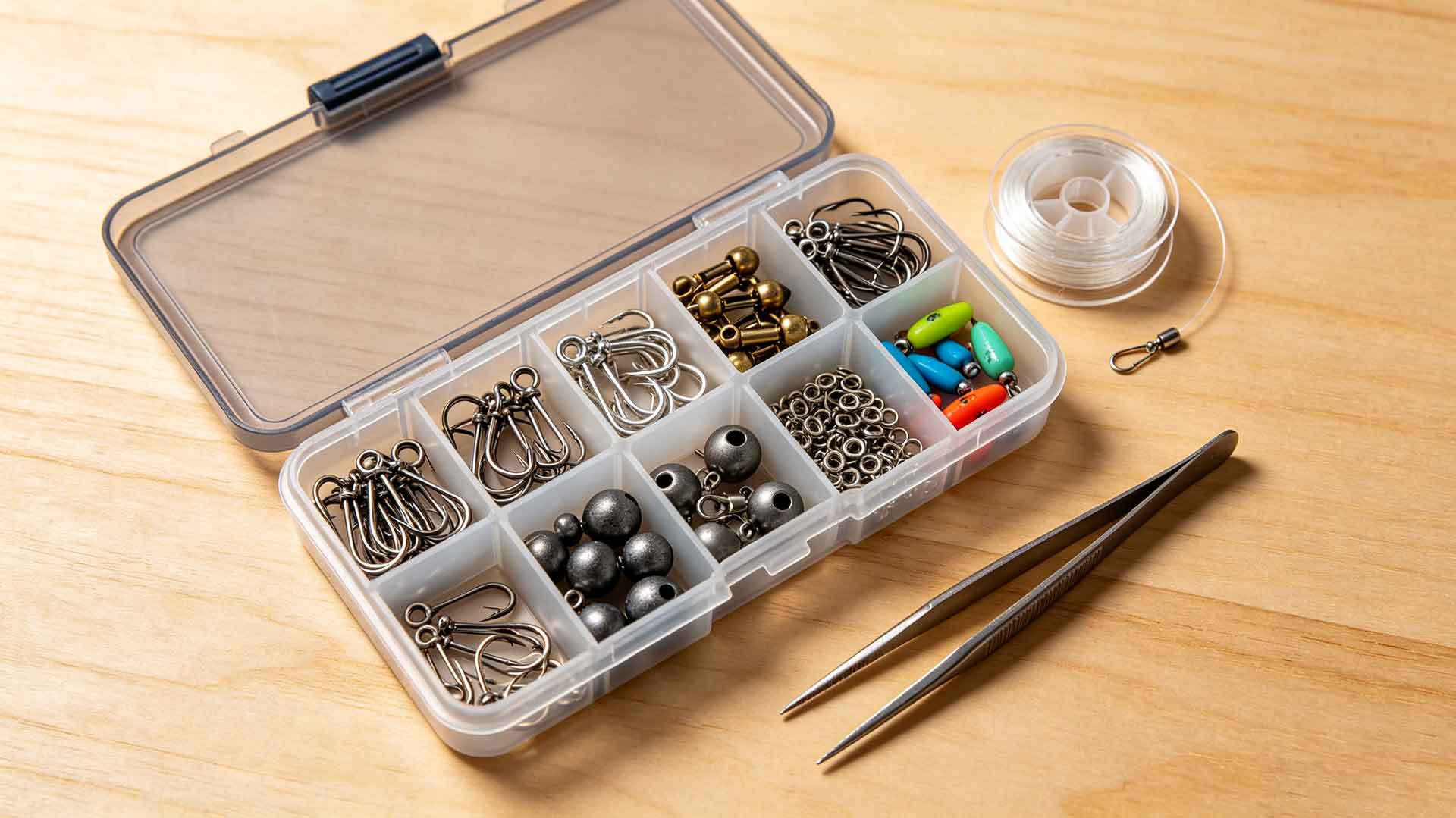
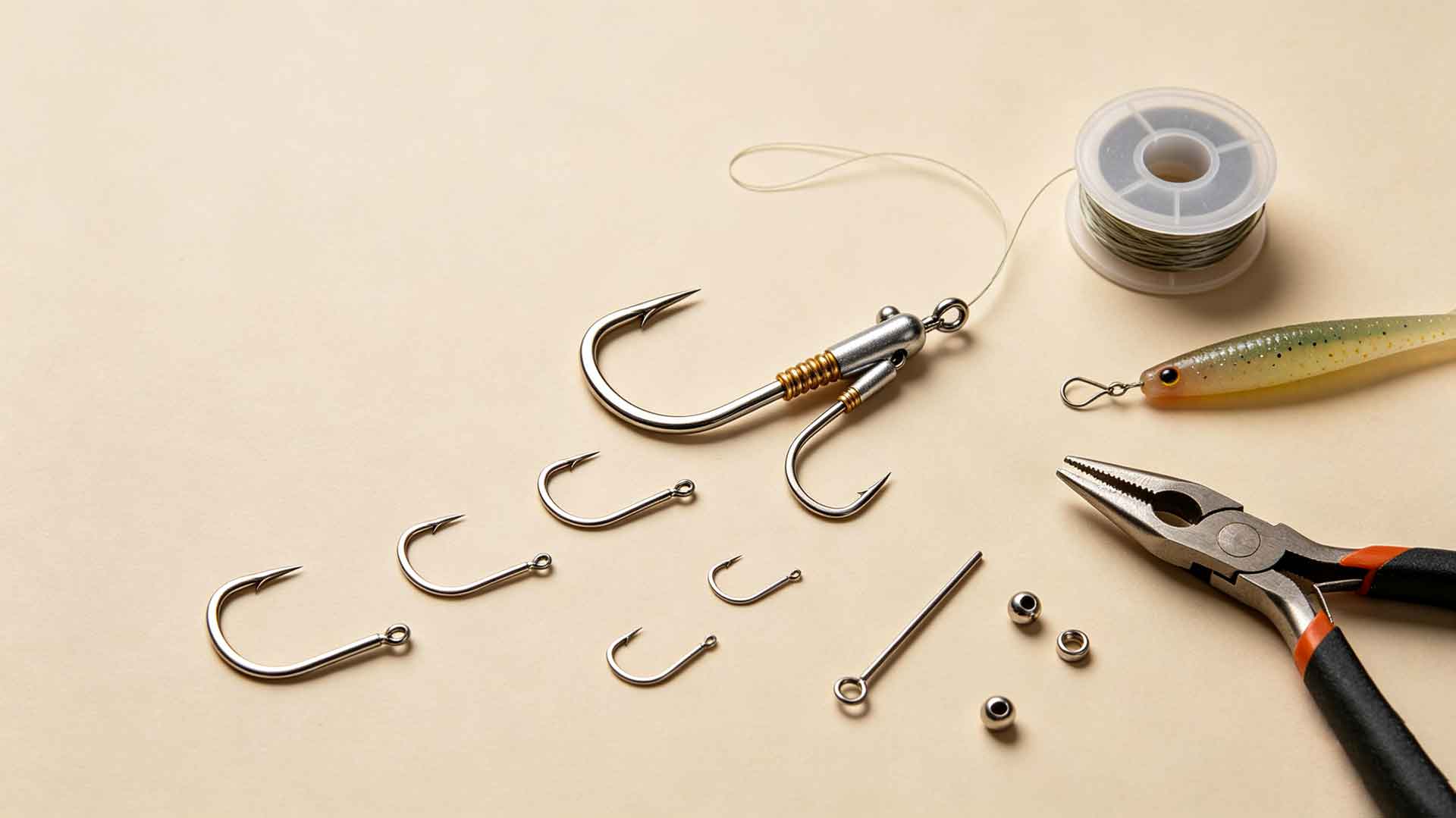
Most lost fish are lost at the hook because it was the wrong style or size for the fish’s mouth. Don’t worry if this feels overwhelming—you don’t have to figure it out alone. If you are looking to pull all these variables into a cohesive strategy, my The Ultimate Beginner Fishing Setup Guide: Your Path to Success in 2026 provides the exact blueprint to match your rod, reel, and line for a balanced, winning system.
Also, learn more about matching hooks in our Hook Size Hacks: What the Numbers Really Mean. For a complete walkthrough on how to maintain the gear you’ve chosen, visit The 5-Minute Post-Fishing Gear Routine.
4. Putting It All Together – Recommended Combos
- Combo A (Light/Trout): 6’6” Ultra-Light Graphite Rod. Fast Action. 4 lb mono.
- Combo B (All-Purpose Bass): 7’ Medium Carbon Rod. Fast Action. 20 lb braid + 12 lb fluorocarbon leader.
- Combo C (Inshore Saltwater): 7’6” Medium-Heavy Composite Rod. Moderate-Fast Action. 30 lb braid + 30 lb fluorocarbon leader.
FAQ: Frequently Asked Questions
Q: Should a beginner buy a one-piece or two-piece rod?
A: A one-piece rod offers better sensitivity and strength, but a two-piece is much easier to transport. For most beginners, a two-piece is the practical choice.
Q: Is “expensive” always better?
A: Not necessarily. While premium rods offer better guides and lighter materials, a well-balanced mid-range setup is far more effective than an expensive, unbalanced one.
Q: How do I know if my rod is “balanced”?
A: A balanced setup means your rod, reel, and line are all rated for the same type of fishing. If your rod is too heavy for the lure, you won’t feel the bite; if it’s too light, you can’t cast accurately.
Q: Can I use a freshwater rod for saltwater?
A: Only if you rinse it thoroughly after every use. Saltwater is highly corrosive to standard freshwater components like reel seats and guides.