
 o000418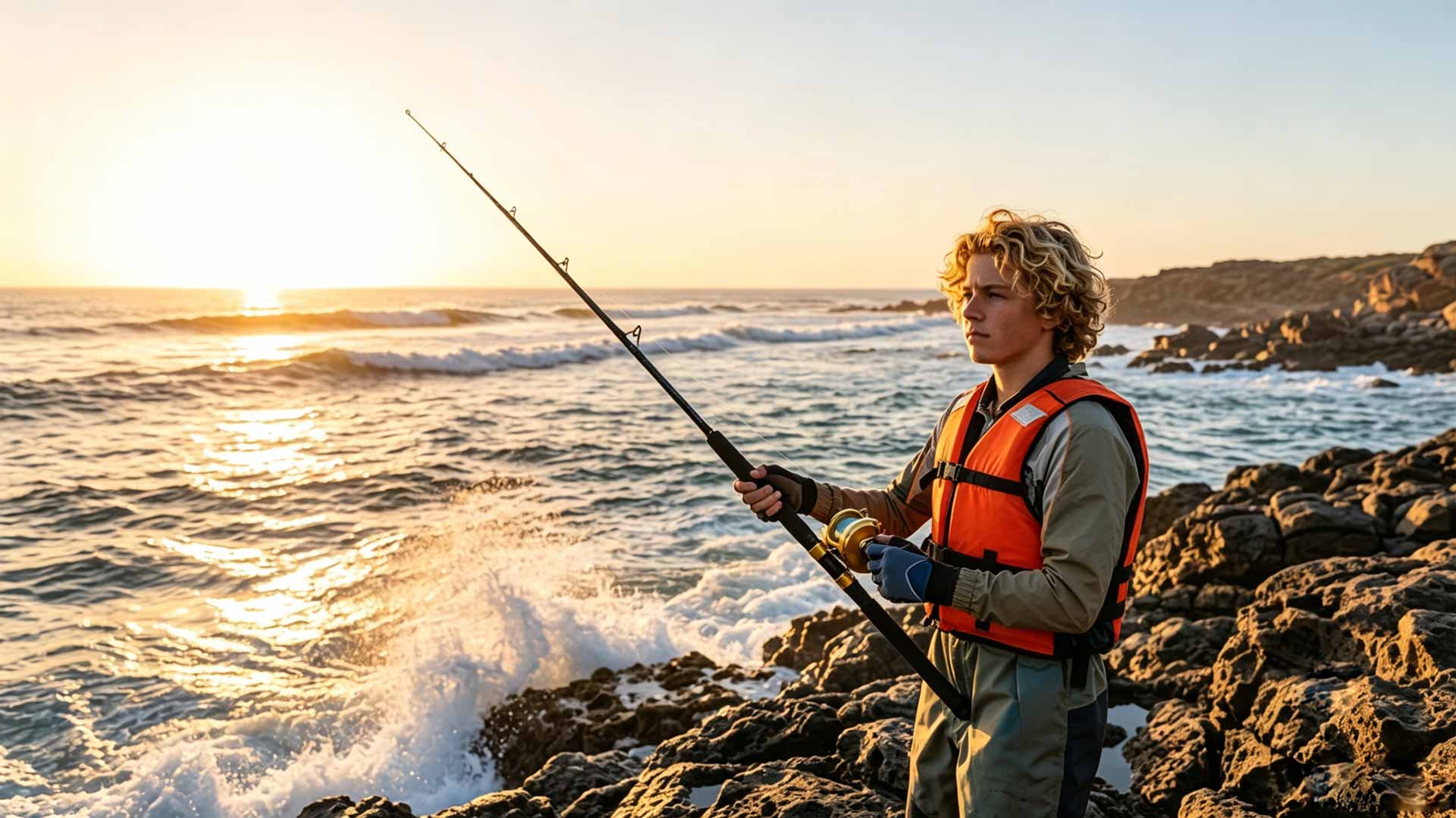
Saltwater fishing is a different beast—wilder, more thrilling, but also loaded with unpredictable risks. The ocean doesn’t give second chances. Whether you’re stepping onto a rock platform for the first time or you’re a seasoned boat angler, this checklist is your blueprint. A safe return is the real trophy.
Part 1: Before Departure – Preparation Is Everything
Weather and Tides Are Your First Line of Defense Never take marine forecasts lightly. Beyond wind speed, focus on wave period—shorter intervals under 8 seconds mean choppy, dangerous seas. Tide tables aren’t just for fish activity; they dictate your safe access to rocky platforms. Pro Tip: If you see “gale warnings” or sudden pressure drops, cancel the trip. I’ve learned the hard way that no trophy fish is worth battling a building swell.
A Life Jacket Is Non-Negotiable No matter your swimming level, wear a PFD (personal flotation device) on boats or rocks. Choose one with a crotch strap to prevent it from sliding up. Ensure your beacon and whistle are accessible. My Advice: I always keep a small strobe light attached to my vest. In low-light scenarios, that tiny light makes you exponentially easier for rescue crews to spot.
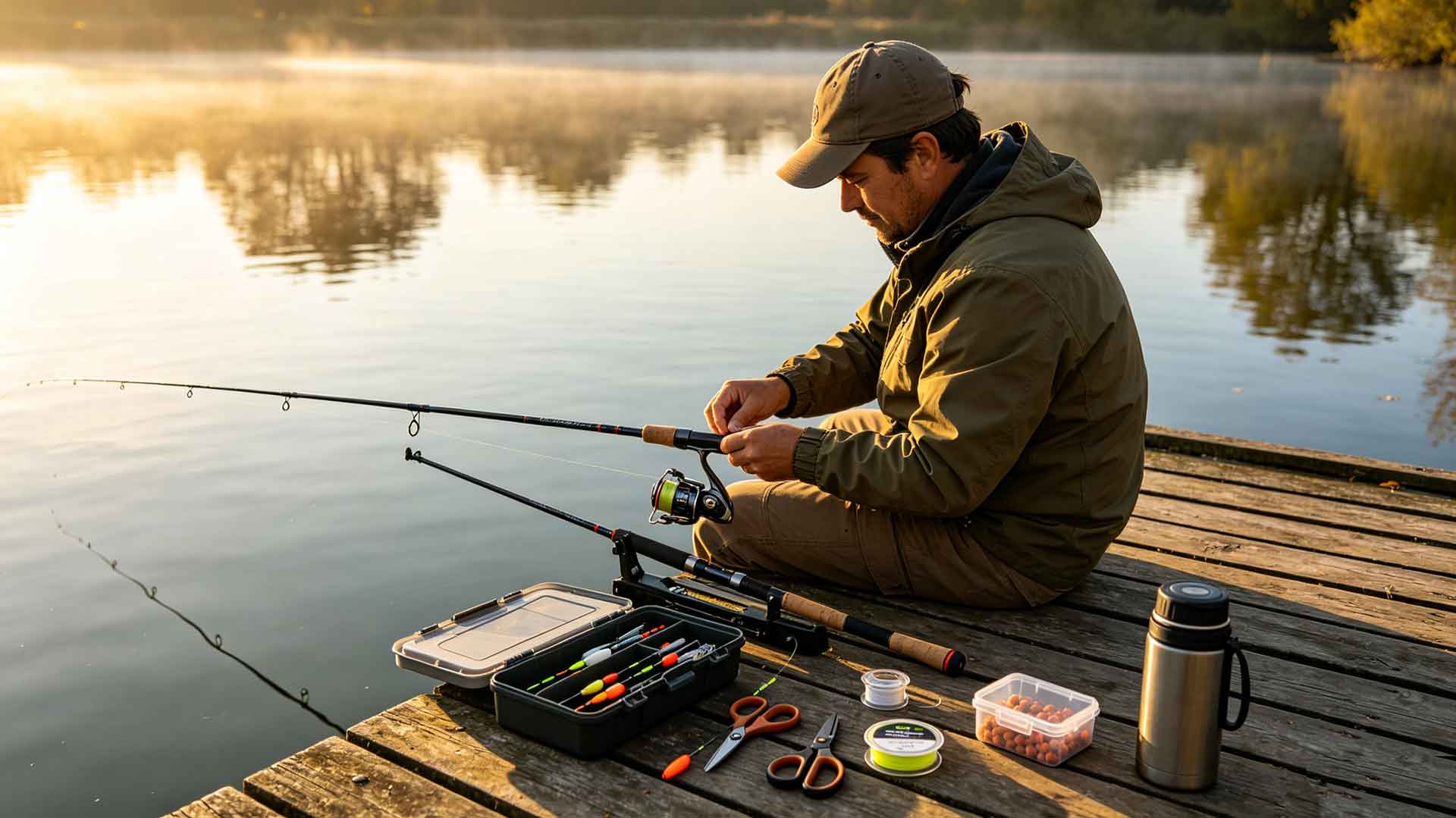
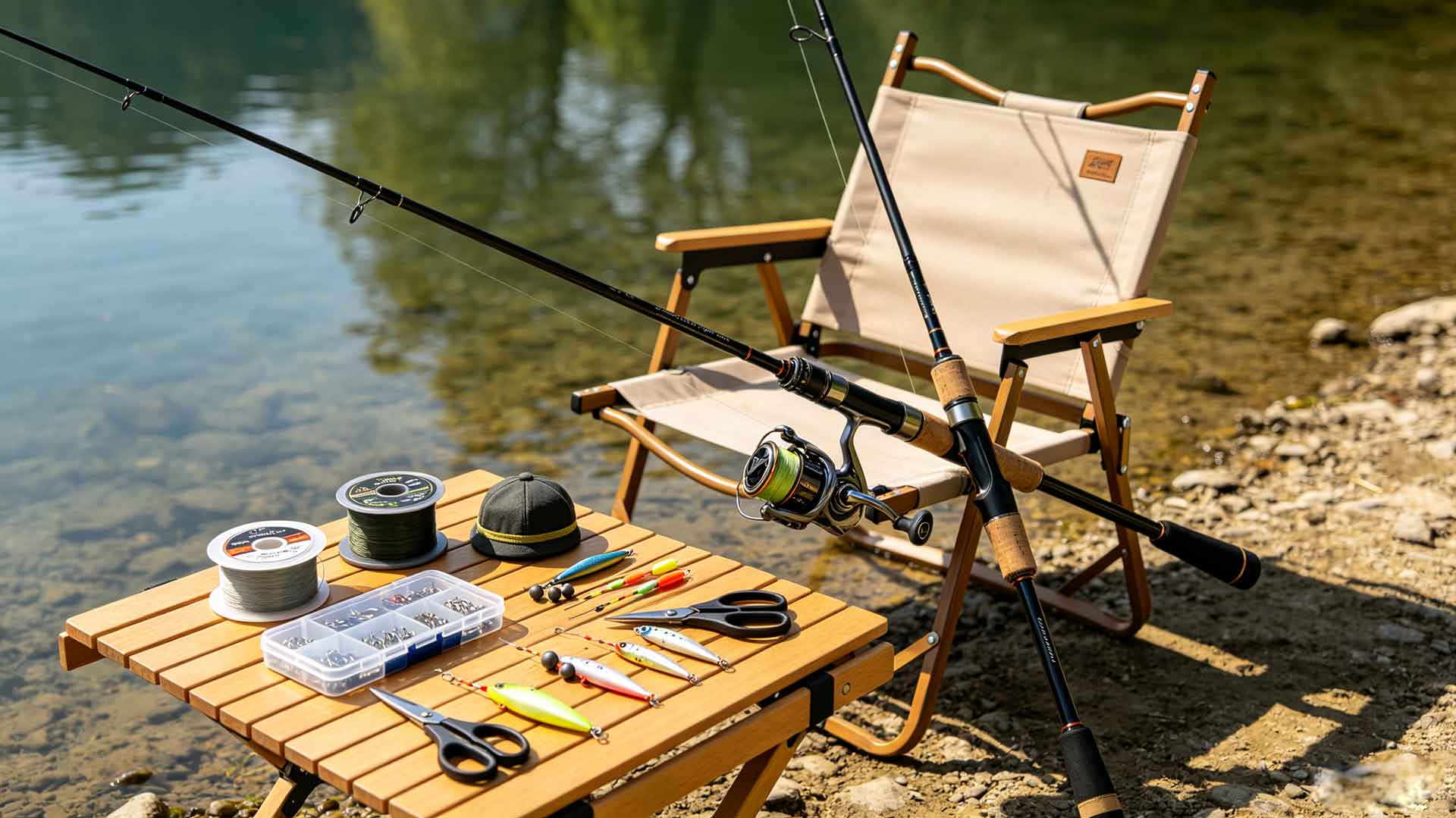
Gear Check – Redundancy Saves the Day Saltwater is brutal. Bring at least two rods of the same class and two spare reels. Carry extra fluorocarbon leaders—abrasion is your #1 enemy. Field Note: Before leaving, I inspect every guide for microscopic cracks. A damaged ceramic guide will shred your line during a high-speed run from a Tuna or Kingfish.
Part 2: On the Water – Mindset and Maneuvers
Seasickness Is Serious – Act Early Motion sickness ruins trips. Take medication 30 minutes before boarding. Stay near the stern, keep your eyes on the horizon, and avoid staring at your knots. Personal Experience: If I feel the “nausea wave” coming, I focus on steady breathing and standing at the rail. Don’t hide it—tell your skipper immediately.
Casting and Retrieving – Keep a Safety Buffer Before casting, shout “Casting!” loudly. When you hook up, your line will inevitably cross others. Learn to “walk” your fish around the boat instead of horsing it in. Technique: If you snag the bottom, never use the rod to pull. Wrap the line around a towel and pull by hand to save your rod tip.
Landing and De-hooking – Beware the Triple Threat Most saltwater species have razor-sharp spines. Use a lip grip to control the fish—never stick fingers into gills. If a hook is swallowed deep, cut the line. Safety Check: Always carry long-nose de-hookers. For venomous species like stonefish, if you aren’t 100% sure of the ID, use a net and a tool. Don’t touch.
Sun Protection – Heatstroke Is the Hidden Danger UV intensity on the water is double that of land. Wear a full-face mask, polarized sunglasses, and sun gloves. My Daily Routine: I drink electrolytes every 30 minutes. By the time you feel “thirsty,” you are already in the early stages of heat exhaustion.
Part 3: Post-Trip Care & Long-Term Growth
Saltwater Is Enemy #1 for Your Tackle Rinse every piece of gear with fresh water—especially the rod guides and reel spools. Let them dry completely before closing your tackle box. Pro Maintenance: Lightly rinse the line on the spool as well; dried salt crystals act like sandpaper, weakening your line for the next session.
Handle Your Catch Fast, Cold, and Legally Bleed, gut, and ice your fish immediately to preserve meat quality. Know your local size limits and protected species. Use wet hands to handle fish you plan to release.
Log Every Trip – Build Your Personal Chart After home, note the tide, wind, spot, and bait used. Over time, this log becomes more accurate than any app on the market. It turns you from a “hopeful angler” into a strategic hunter.