o000418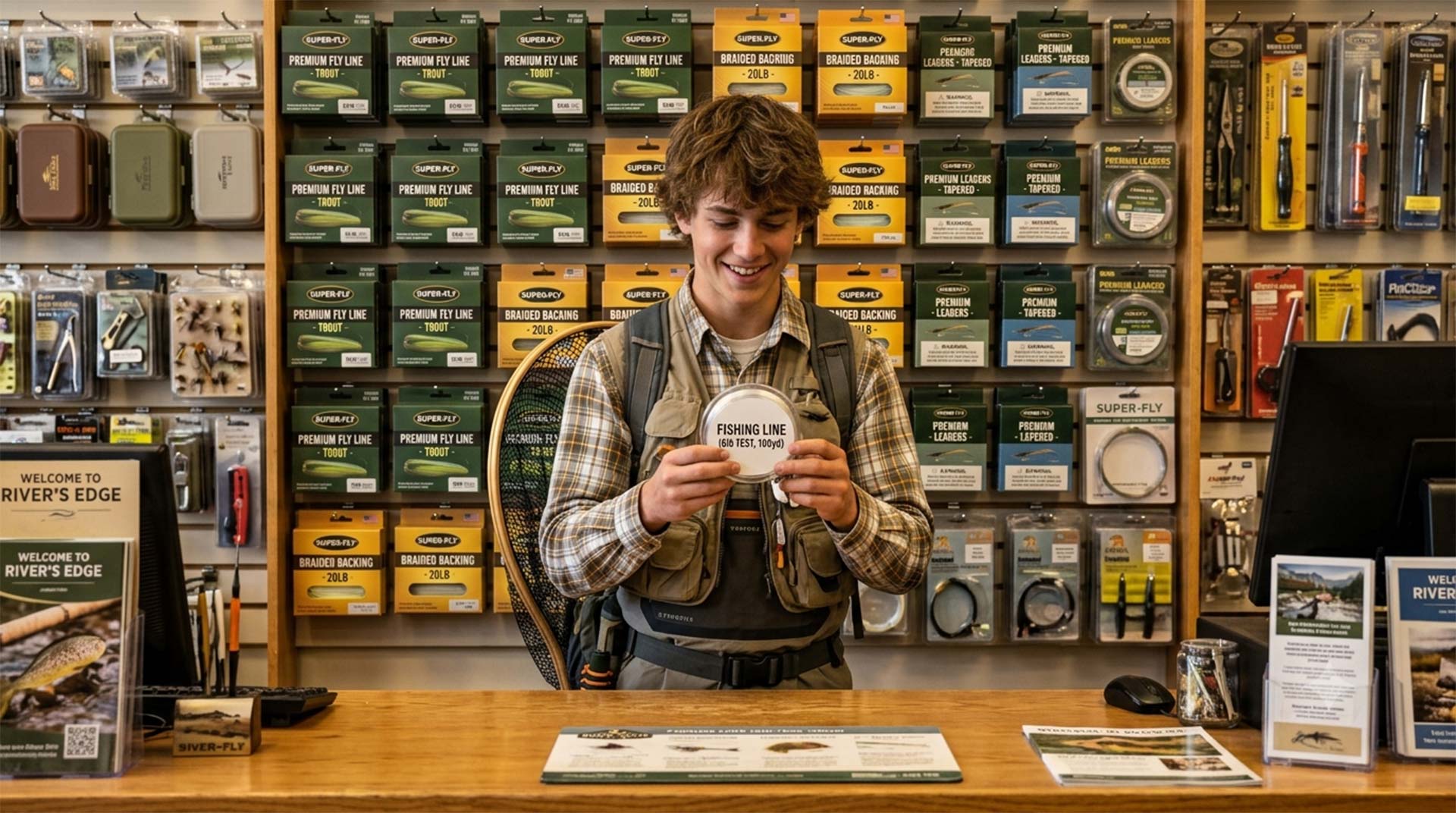
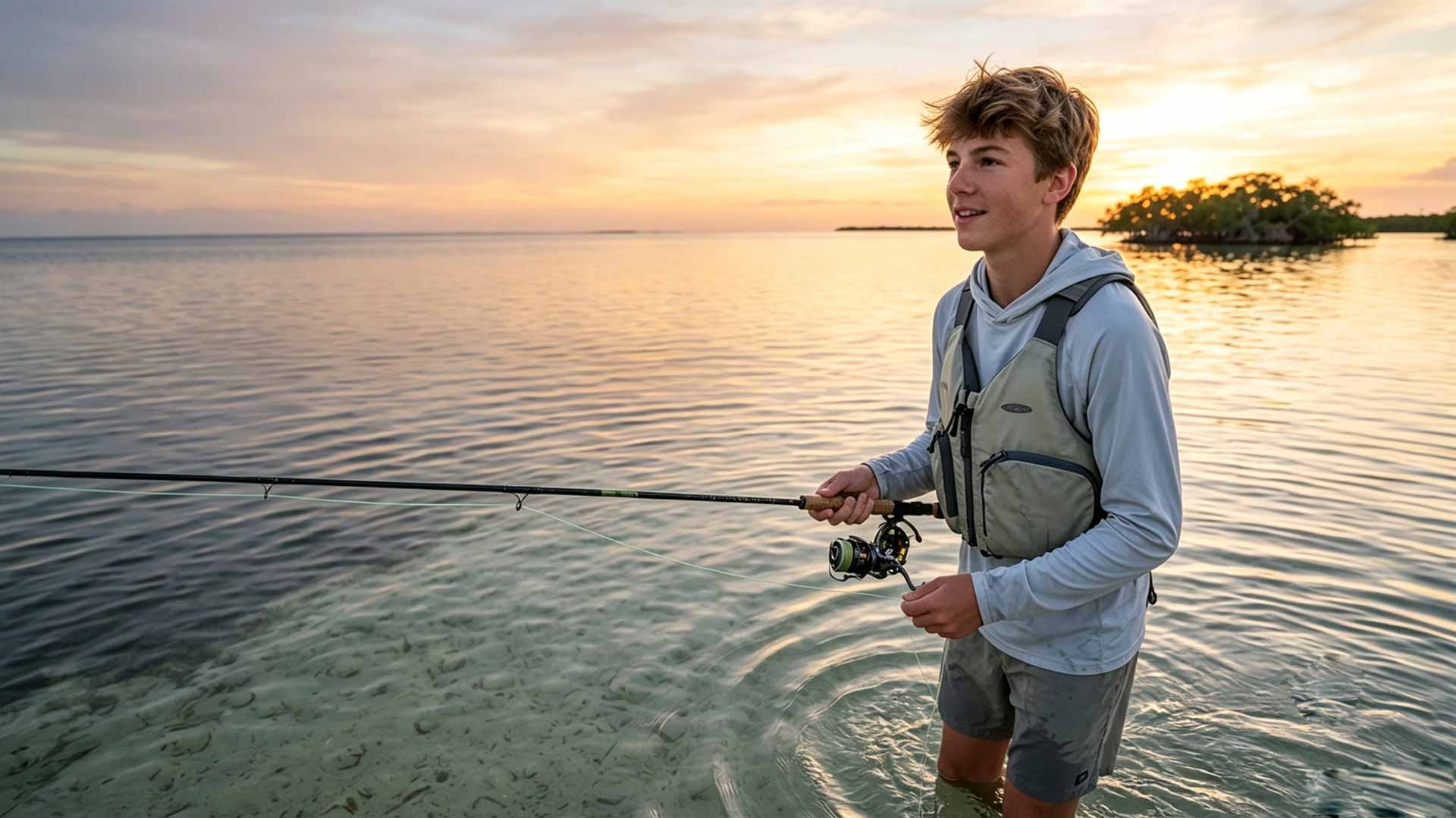
The sun was just beginning to kiss the horizon, painting the surface of the lake in shades of liquid gold. I stood at the edge of the dock, the morning mist still clinging to the reeds. With a gentle flick of my wrist, I launched my lure toward a patch of lily pads. The sensation was electric—a crisp, rhythmic vibration traveled up the blank of my rod, translating every underwater movement directly to my palm. Then, thump. The rod tip bent aggressively, signaling a strike. That moment of connection, the dance between angler and fish, is what hooked me on this sport for life. But to experience that magic, you need the right tool in your hand.
If you’re just starting, the sheer number of options in the tackle aisle can feel overwhelming. This beginner fishing gear guide is designed to cut through the noise and help you get on the water with confidence.
How to Choose a Fishing Rod: The Fundamentals
Before you drop money on gear, you need to understand that a fishing rod is not a “one-size-fits-all” purchase. Your choice depends entirely on what you’re fishing for and where you’re fishing.
Power and Action
These are the two most important technical terms you need to know:
- Power (Light to Heavy): This refers to how much force is required to bend the rod. Beginners should generally start with a Medium-Power rod. It’s the ultimate jack-of-all-trades, capable of handling everything from panfish to bass.
- Action (Slow to Fast): This describes where the rod bends. A “Fast Action” rod bends near the tip, offering high sensitivity for feeling bites, while a “Slow Action” rod bends closer to the handle, which is more forgiving during the fight. A Moderate-Fast action is often the “sweet spot” for learners.
Spinning Rod vs. Baitcasting for Beginners
One of the most common debates among new anglers is the choice of reel. Should you start with a spinning setup or a baitcasting one?
Why Spinning Rods Win for Beginners
For 90% of new anglers, a spinning rod and reel combo is the clear winner.
- Ease of Use: The reel sits underneath the rod, and the open-faced design makes it remarkably intuitive.
- Versatility: You can use them with light lures for trout or heavier setups for bass without needing a degree in engineering to adjust the tension.
- Fewer Headaches: Unlike baitcasters, which require precise thumb control to prevent “backlash” (a tangled mess of line known as a “bird’s nest”), spinning reels are nearly foolproof.
When to Consider a Baitcaster
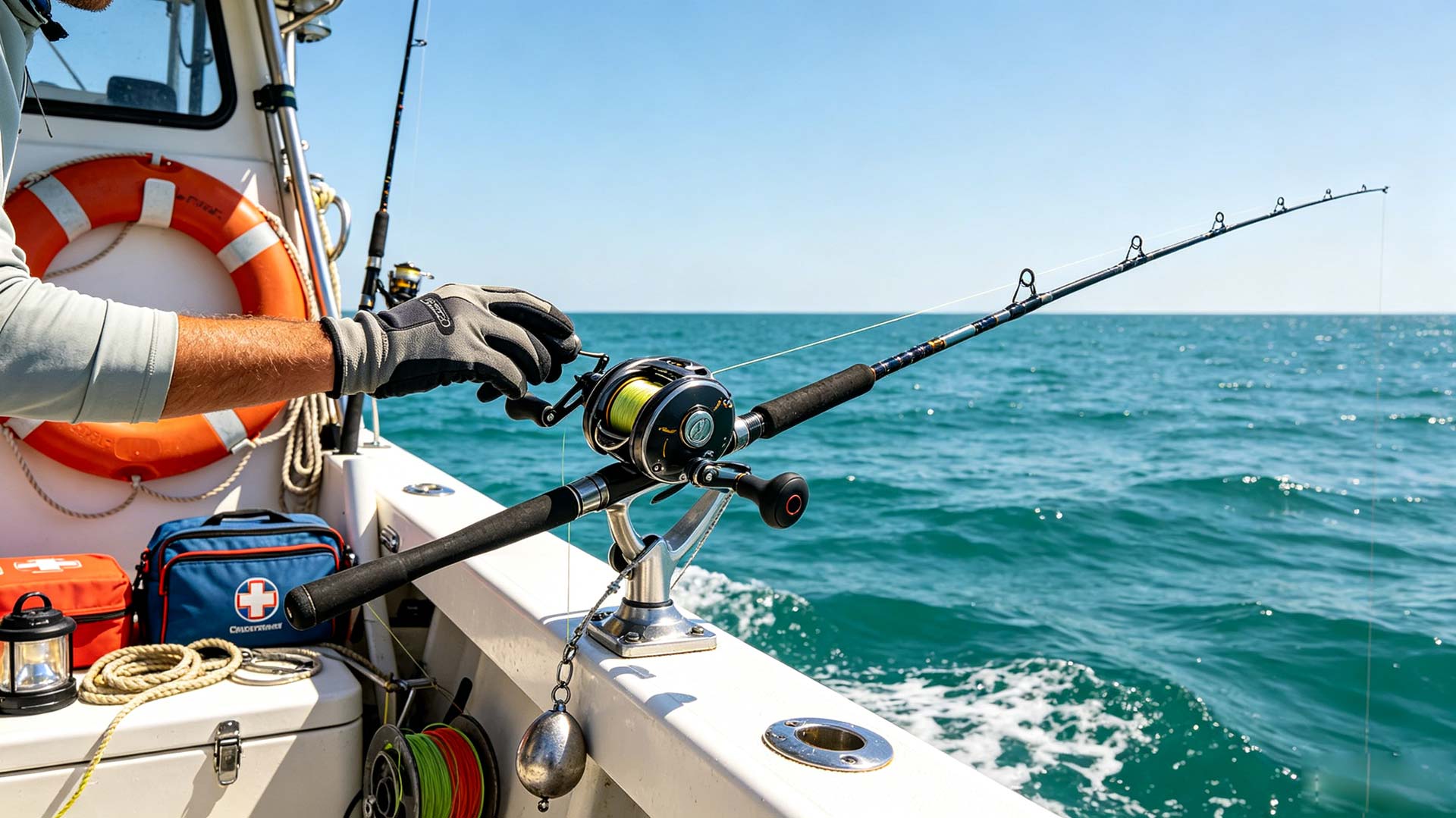
Baitcasting gear is fantastic for precision and power, often preferred by bass pros for skipping lures under docks or dragging fish out of thick vegetation. However, they demand a steeper learning curve. I recommend mastering the spinning reel for at least one full season before transitioning to baitcasting equipment.
My Personal Journey: Finding the Right Feel
I still remember the first “real” rod I bought after graduating from cheap, department-store fiberglass poles. It was a 6-foot, 6-inch graphite medium-power spinning rod.
The first time I took it out, the difference was night and day. Because it was made of high-modulus graphite, it was incredibly light—I could fish for six hours without my wrist feeling like lead. More importantly, it was sensitive. When I was working a soft plastic bait near a rocky drop-off, I could actually feel the difference between the bait bumping against a stone and a fish gently mouthing the hook. That sensitivity, combined with the rod’s backbone, allowed me to land a decent-sized smallmouth bass that would have likely snapped my older, heavier gear. It taught me that durability doesn’t have to mean “clunky.” A well-made rod should feel like an extension of your own arm.
Essential Gear Beyond the Rod
Remember that your rod is only one part of the puzzle. To be fully prepared, ensure your kit includes:
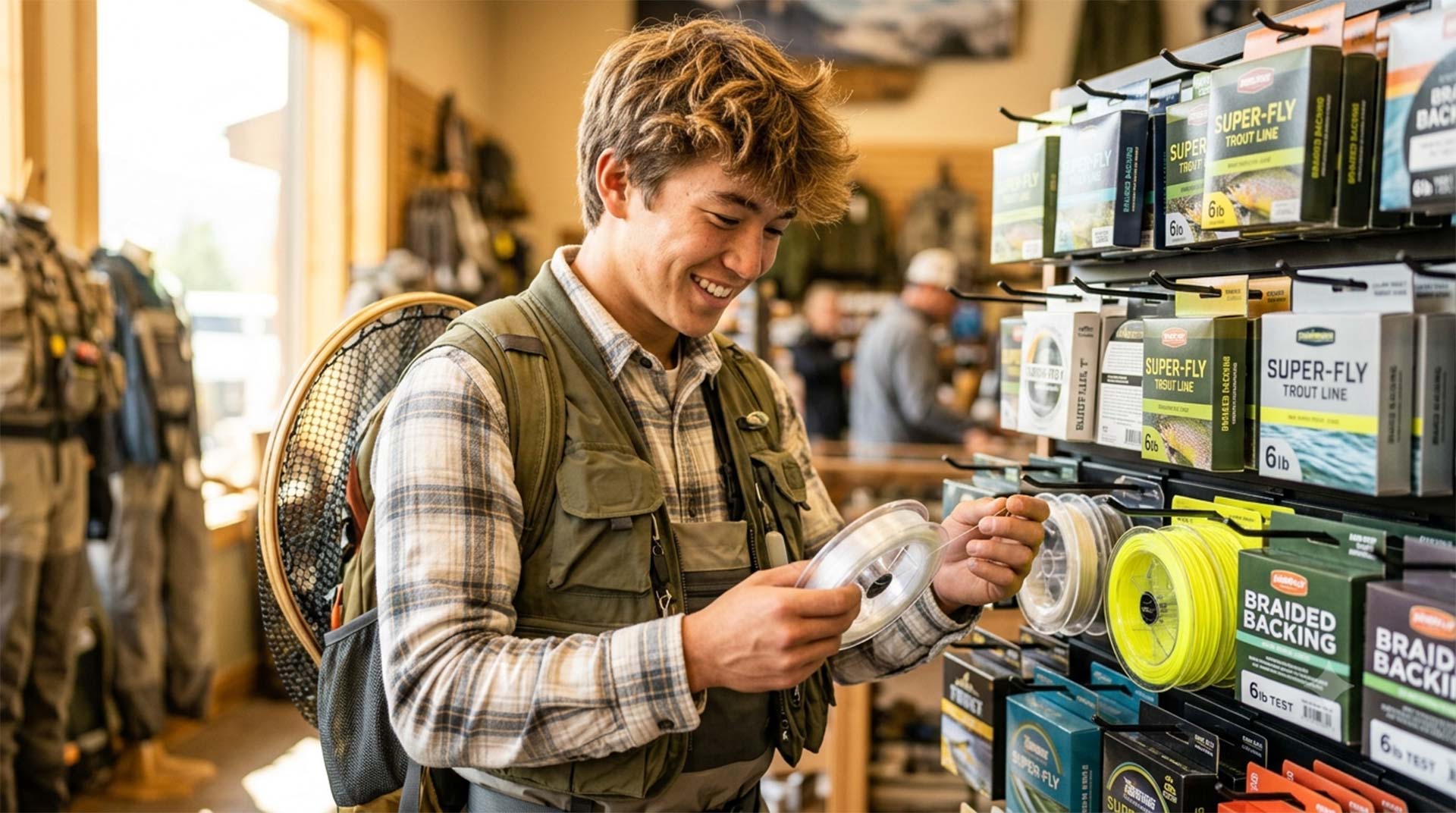
- 4-12 lb Test Monofilament Line: This is the most forgiving line for beginners.
- Terminal Tackle: Keep a small box with size 6-10 hooks, a few split-shot weights, and some bobbers.
- The Right Lures: Start with something simple, like a spinner or a pre-rigged plastic worm.
- Safety Essentials: Never hit the water without sunscreen, polarized sunglasses (they help you see fish beneath the glare), and a pair of pliers for safe hook removal.
Pro-Tips for Your First Trip
- Practice in the Yard: Before hitting the lake, spend 20 minutes in your backyard practicing your casting. Aim for a bucket or a towel to build muscle memory.
- Don’t Overfill the Spool: When putting new line on your reel, don’t fill it to the very brim. Leave about an 1/8th of an inch of space to prevent wind knots.
- Check Your Drag: Always set your reel’s drag before you cast. It should be tight enough to hold the line but loose enough that a fish can pull line out without snapping it.
- Talk to the Locals: If you’re at a bait shop, ask the clerk what’s biting and what they recommend for the local species. They are your best resource for success.
Choosing the best fishing rod for beginners isn’t about buying the most expensive gear; it’s about finding the equipment that makes learning fun and keeps you coming back for “one more cast.” Good luck, and tight lines!